Bloody Tennis Director Nikias Chryssos on Brutality, Ambition and That Cat Scene

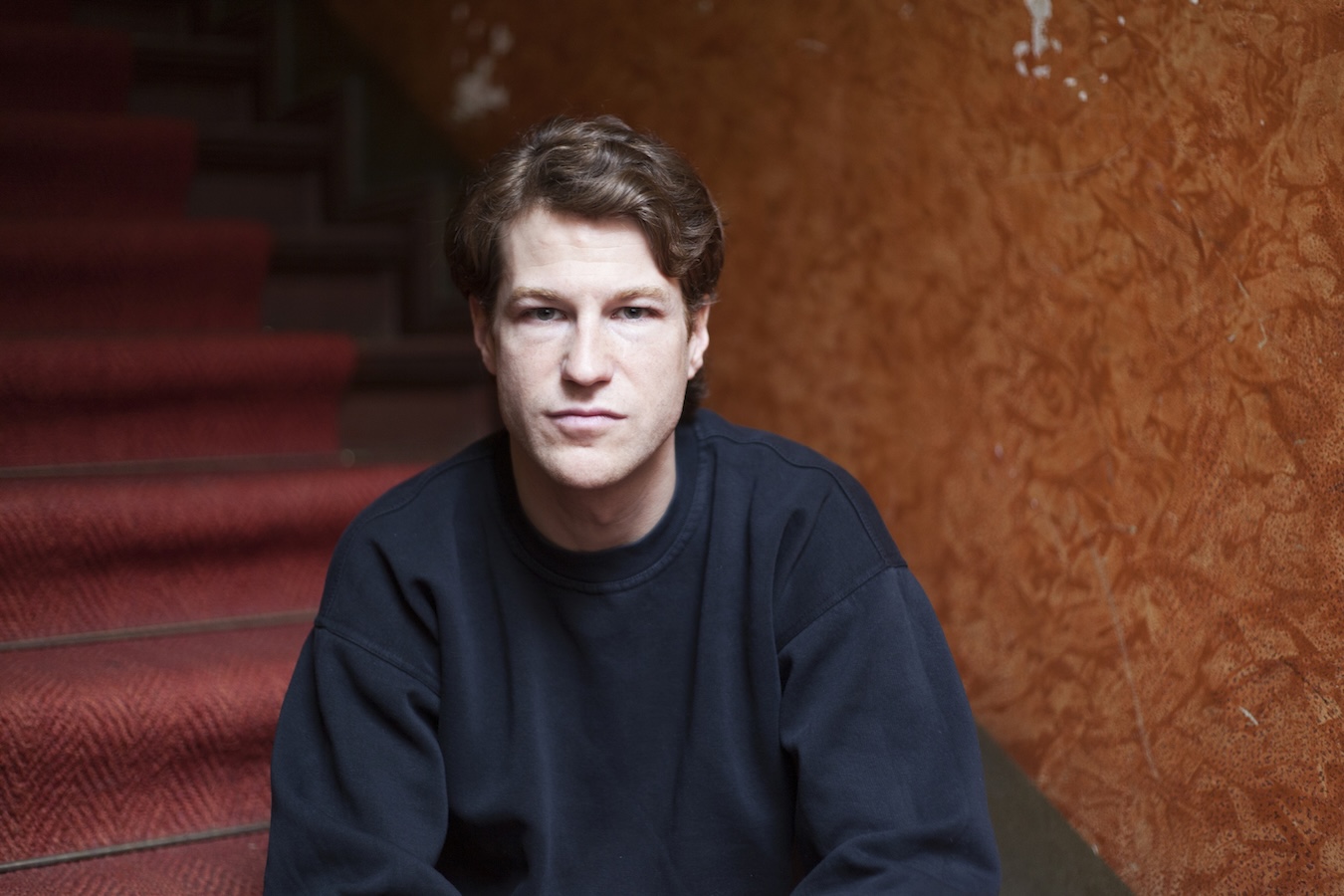
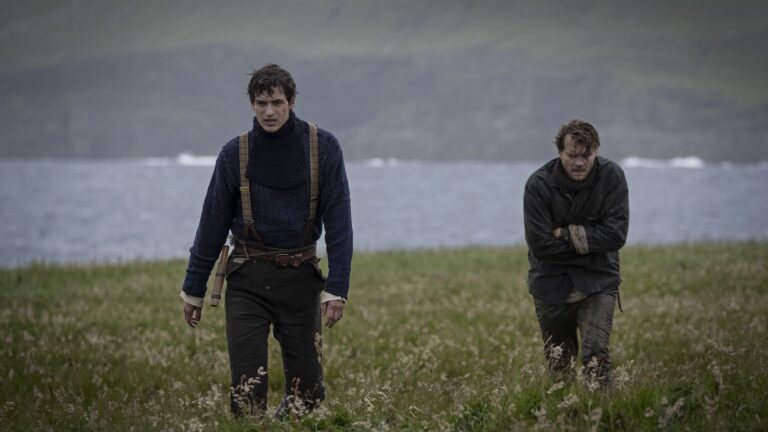
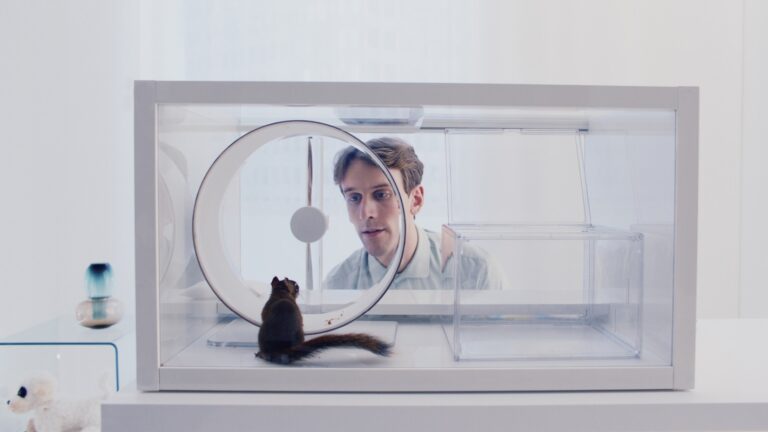
Bloody Tennis director Nikias Chryssos joined The Fear Review during Fantastic Fest 2026 to talk about the film’s escalating brutality, unnerving sound design and the ambition that drives its players past any reasonable limit.
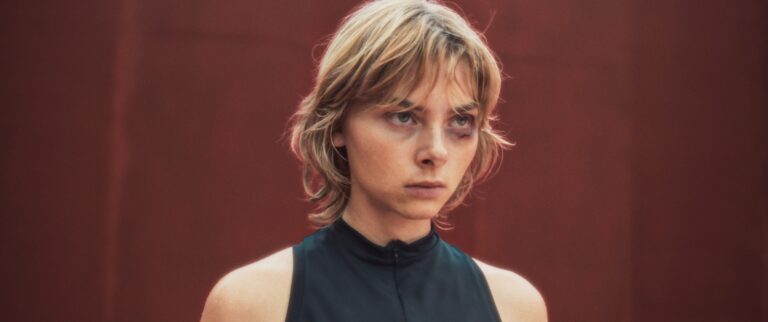
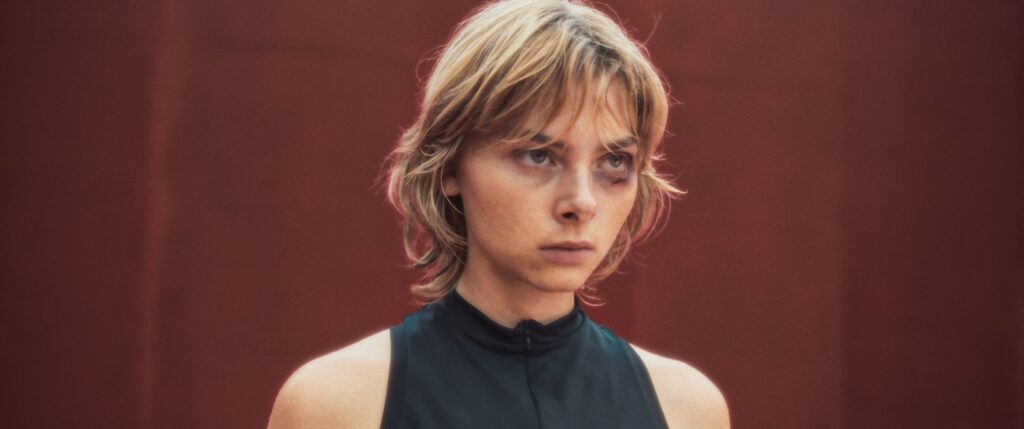
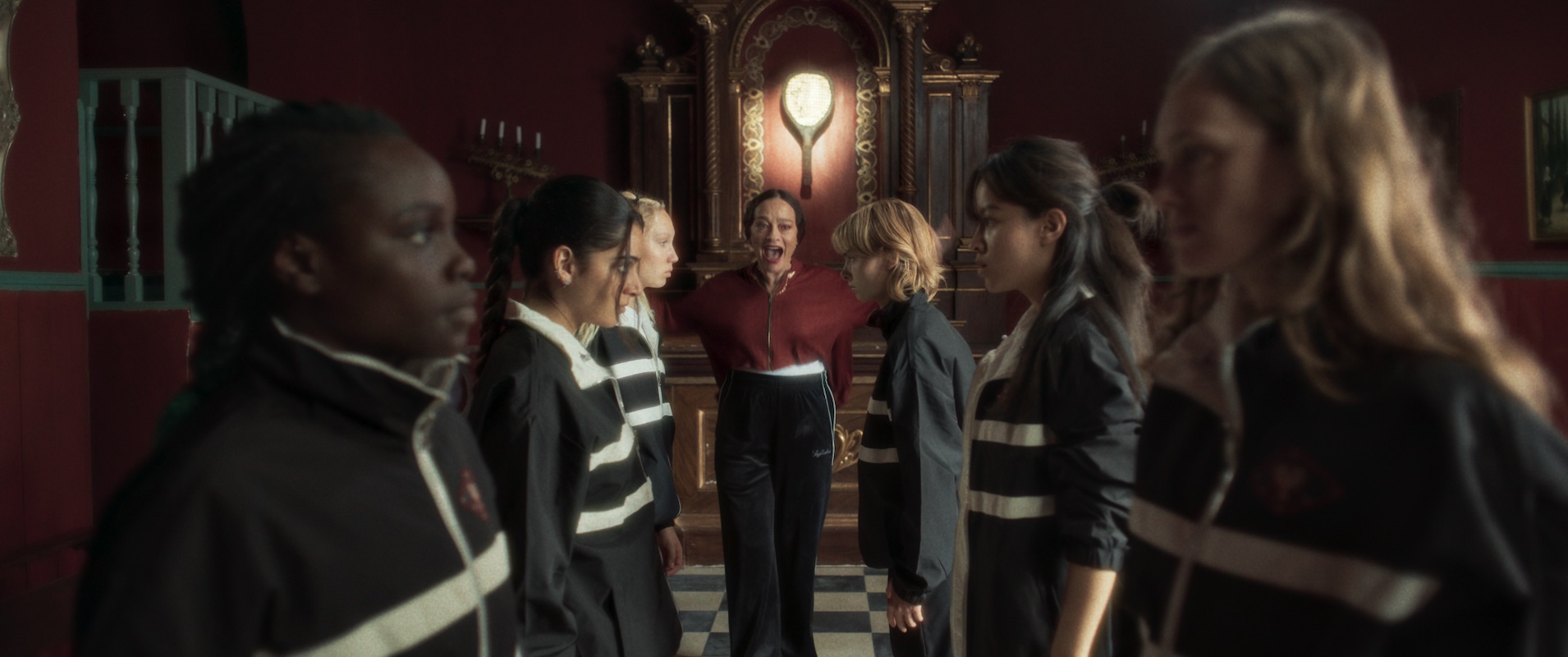
The film follows Sophie into an isolated tennis academy where elite competition becomes increasingly physical, psychological and nightmarish. In our Bloody Tennis review, we found plenty to dig into beyond the blood, especially the smaller injuries and sensory details that can be harder to shake than the movie’s biggest acts of violence.
Nikias Chryssos INTERVIEW: Building From Reality Into a Nightmare
Chryssos wanted the violence to build gradually. The early discomfort stays grounded in recognizable pain before the film pushes into something much stranger. That progression also shaped the sound design, where amplified body sounds, medical examinations and even leeches keep the audience uncomfortably aware of the body before the film begins tearing it apart.
Ambition, Control and the Cost of Winning
The academy is built around competition, but Chryssos sees Maria as the person more quietly pulling the strings. He also connects Sophie’s increasingly destructive ambition to competitive environments outside sports, including filmmaking itself, where people are constantly forced to decide how hard to push without becoming the person hurting everyone else.
And then there is the cat. Yes, we asked. Chryssos assures us the cat is fine, even if the scene was designed to play directly with the audience’s emotions.
The Full Nikias Chryssos Interview
Check out the full interview below if you’d prefer to read. The following conversation has been lightly edited for clarity while preserving the substance and personality of the interview.
The Fear Review: Something I really liked about the movie is that it doesn’t constantly throw gore at you. Sometimes something relatively small happens, like Sophie’s toe, which had me stressed out most of the time. Watching her continue to walk on it and seeing it heal really bothered me more than just seeing blood. How did you decide when to hold back and when the movie had earned the brutality of the final match?
Nikias Chryssos: I think the idea was that it builds gradually. You start with a psychological bullying situation, and then it gets a little bit physical, like with the toe. But it’s still grounded in reality, and this part of the violence is still not really coming from the academy, at least not directly.
Then you build it up to the midpoint. I don’t want to spoil too much, but from there it becomes a mixture of violence that is portrayed as quite real and something that gets increasingly nightmarish or almost supernatural. Those lines blur, and I found that interesting.
I remember having a lot of discussions with the producers about the final match. Will the audience accept that you bring it there? Then we just tried it. We wanted this mixture of violence that is a bit more grounded and real and then something that’s just nightmarish.
The Fear Review: It’s weird that the toe is the thing that lasted. Maybe because that’s such a relatable experience. You know how bad stubbing your toe hurts.
Chryssos: I think, as you say, that’s something you can imagine. Other things that happen in the movie are much harder to imagine. Sometimes the little things, if you think of your nail getting stuck or something disgusting, can be much more painful to watch than something big and operatic.
Like with other things in the film, sometimes there’s a little bit of reality. I was searching for nasty tennis sports injuries. Seeing that happen to someone in real life looks really terrible. You feel, okay, this is bad. We did it with very simple practical effects, but it’s effective.
The Fear Review: Part of that is the sound. That bothered me almost as much as the injuries. There are moments that make you physically uncomfortable just listening to them. How involved were you in designing that side of it?
Chryssos: A lot of the decisions were generally that we have a heightened reality, but we particularly enhance these body sounds so we always have the body present. It starts with the girl cracking her bones, and then that’s picked up later in Sophie’s first medical examination at the academy. You hear every stomach sound, which is usually suppressed.
Bringing these sounds up, which are usually not heard so loudly, makes you uncomfortable and also makes you aware that there is a body and that body can get hurt. The leeches have their slimy sound, just to give it this organic layer. In general, we have a heightened sound design that’s not just in the background. It’s really used as an effect as well.
The Fear Review: Those leeches were very effective. The sounds, the close-up shots of them. It’s such a simple thing. They’re just leeches. It’s just so uncomfortable.
Chryssos: It’s funny, as you say, they’re just leeches. They’re just little animals. It’s weird because you feel they have just one thing in mind, and that is to suck the blood and put their slimy stuff inside your body. They feel ancient, a little bit like these ancient worms with their big mouths. And you can’t just take them off. It’s quite painful to take them off before they’re done eating, basically.
The Fear Review: I think it’s the invasiveness of it.
Chryssos: I think it’s so single-minded, like a tennis player. They have one thing on their mind. That’s what their instinct tells them. I think that’s interesting somehow.
The Fear Review: Stapko looks like he’s the authority because he’s the coach, but I came away feeling like Maria might actually be the person pulling the strings. Was that power dynamic intentionally a little unclear, or do you see one of them as being in control?
Chryssos: For me, it’s Maria. In earlier versions of the script, it was really a couple who were in charge of the academy, and then I wanted to go a bit more in the direction of Maria. He’s the tennis coach. He’s the tennis guy. Because he’s this big male authority, you could assume that he’s in charge of the whole thing, but I saw her more as the one who, as you say, is pulling the strings, manipulating the players against each other and plotting.
She’s also a little bit more like a tennis witch, if you want, or you have these little associations of a priest of tennis when you see her.
The Fear Review: I like that dynamic. Like you said, just him being a more imposing character, and there’s this charismatic part to that, whereas she is different. I thought that was a very interesting dynamic.
Chryssos: One couldn’t be without the other in a way. You need to have this presence on the court. He’s doing the groundwork, and he has this physique that’s already a little bit frightening if you’re a young woman coming in and you have to deal with this coach. Then you also have Brad, who is a sneaky person who does all the little things around the academy and has to do the dirty work. It’s a small setup of people in this academy, but they all have their place.
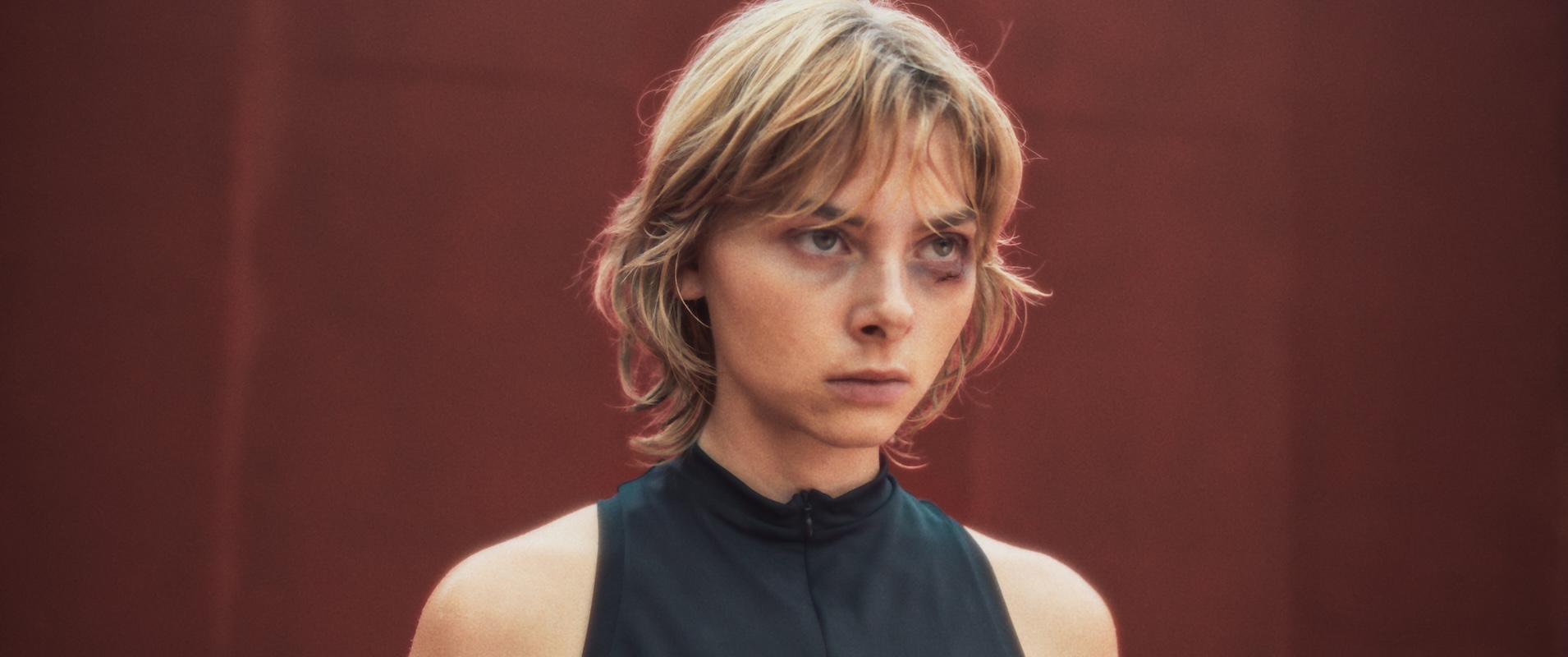
The Fear Review: One of the things that surprised me is how much you could almost feel the heat and the dirt of where they’re at. Everybody looks sweaty and exhausted, and you’re putting this elite sport in this isolated, almost desert-like environment. It makes it very different from the clean tennis world everybody is used to seeing. What did you want that environment to do to the characters?
Chryssos: That’s a good question. It was recently the US Open, and you know how different all the courts are. Wimbledon has grass, and then you have sand in France. I really like watching tennis in this super-clean environment. There’s something about it that feels so precise. I was not such a fan of sand courts, which is funny because, of course, that’s the main thing in the movie.
But again, it was to always have this earthiness, this feeling of something biological, and to have this unforgiving rocky landscape around it. It’s very isolated. They come from all over the world and suddenly they’re in this secluded place with almost desert-like surroundings. It’s almost like death is around. Nothing lives there in a way. I really like this feeling.
When Sophie comes up for the first time, you have an almost beautiful oasis. There are flowers, and she feels like, “I made it to this beautiful world.” But around it are the rocks, and the rocks are also used later in nasty ways. I like this feeling of something organic.
The Fear Review: We’re in Texas and, of course, we have some deserts here. Having seen some of those, it felt very familiar.
Chryssos: We could have shot it there also, I think, in Arizona or Texas. I like that you noticed the heat because that was always something we wanted to achieve, that you make that feelable. They’re in this hot environment, and it’s this heated-up atmosphere psychologically, but it’s also sweat and all kinds of body fluids. That was a part we tried to establish.
The Fear Review: The movie is really about what Sophie is willing to give up to become great, or all of them, but specifically her. Is there a point where ambition stops being admirable to you and becomes something destructive, or is the fact that we can’t really draw that line cleanly part of what interested you?
Chryssos: I think in the movie it’s something that happens gradually. They’re kind of indoctrinated that these are the rules, this is how it works. If you want to make it, then you have to do this. If not, you can leave, but then you will not make it. I think this unforgivingness is what makes her do everything and accept it, but it’s a gradual process.
I think it’s a question if you really start hurting other people. If you see some reality shows in real life, they’ve gotten more and more extreme. People are getting humiliated because they want to win money or whatever, and it’s part of the game. You could argue that at least they know what they get into. If you wouldn’t know, then it might be a little bit different. Still, even when you know, it’s humiliating.
Especially treating young and vulnerable people in a bad way when they don’t know what they’re getting into because they’re simply too young, I think this is wrong.
But when does ambition become something else? This is a good question because, also as a filmmaker, you are in a competitive environment. You fight for money with others. You have to fight for resources. You’re in constant conflicts in a way in your life, and you also have to fight these conflicts sometimes because you don’t want to be the one who’s being fucked over, but you also don’t want to always be pushy, pushy, pushy.
It’s a way of finding out: Where am I being the one who’s being abused, or where am I being hurtful to other people? If you are aware that you’re in an environment that’s more built on cooperation and empathy, then you can also hold yourself back. But if you feel you’re constantly in an environment where everyone just thinks of themselves and it’s just the strongest one who survives, then you accept that and act accordingly. I think we should strive for a world where people don’t need to be only competing with each other.
The Fear Review: You just brought up vulnerability, and one last question. I have to ask about the cat. What got me wasn’t the actual gore. It was the cat just sitting there and meowing in this friendly way before it happens. WAS Making us feel for that cat for a few seconds before pulling the rug out from under us deliberately cruel on your part.
Chryssos: Oh my God. Oh, yeah. Now you see I was hurtful to other people’s feelings, and I’m just talking about empathy. I want to assure you that the cat is fine. I just played with the audience’s emotions, probably in that theme.
The Fear Review: That did send me down a rabbit hole of catgut. I had never heard that before, so I was Googling it and looking at that.
Chryssos: You always learn something new. For me, if you make a film and this film is about tennis, then you start researching and finding articles and think, “Oh, interesting.” Suddenly you have a scene where a cat is turned into something else.
BLOODY TENNIS RELEASE DATE
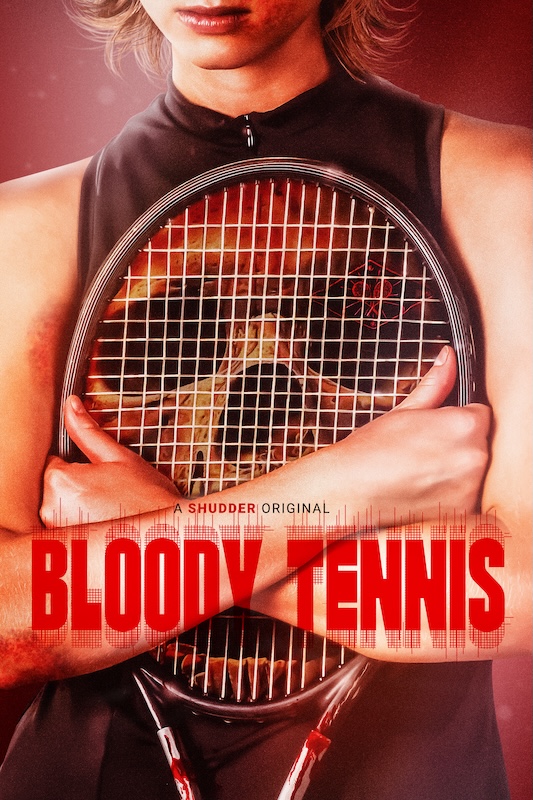
Read our full Bloody Tennis review for our spoiler-light take on the film before watching it when it premiers on Shudder September 25th.
Sources: Fantastic Fest, Shudder