No Rest for the Wicked Director Kasper Kalle on Vampires Before Dracula

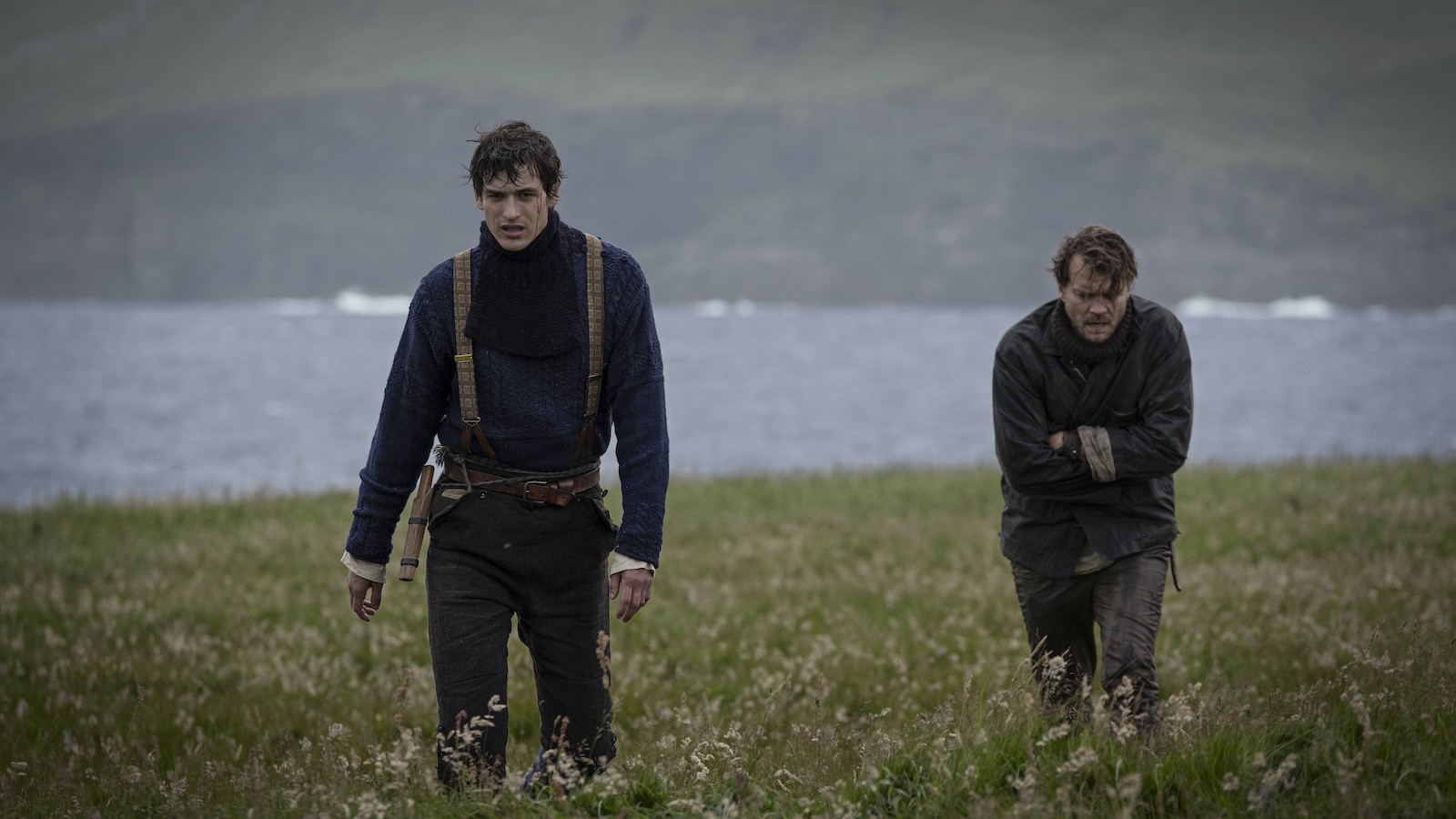
No Rest for the Wicked takes a forbidden love story set in the Faroe Islands in 1862 and slowly pulls it into something stranger: gothic romance, folk horror, body horror and a version of vampire mythology that feels familiar without behaving the way we expect.
At Fantastic Fest, The Fear Review sat down with director Kasper Kalle to talk about building that world, why the landscape had to feel like more than a beautiful backdrop, casting Egor Venned in his first film role opposite Pilou Asbæk, and why the villagers were never meant to become easy villains.
The conversation also gets into the film’s source material, Karl Heinrich Ulrichs’ 1884 short story Manor, and the unusual vampire imagery Kalle deliberately carried over from a story written before Bram Stoker’s Dracula. Kalle also explains why some of the horror was actually toned down during post-production so it wouldn’t overwhelm the love story at the center of the film.
You can also read our full spoiler-light review of No Rest for the Wicked.
A Love Story Shaped by the Faroe Islands
For Kalle, the Faroe Islands were never just a striking location. He describes the film as a story about forces people cannot control – sexuality, love and lust alongside storms, fog and dangerous ocean currents.
That commitment to place also extended to the production itself. Kalle says roughly 80 percent of the crew came from the Faroe Islands, giving the filmmakers people on set who could challenge details about local traditions, clothing, houses and the way the world should look.
A Vampire Story From Before Dracula
The film’s strangest horror imagery wasn’t invented for the adaptation. Kalle says the unconventional vampire elements were already present in Ulrichs’ Manor, and preserving them was important precisely because the story predates Dracula. Instead of simply reproducing familiar vampire rules, No Rest for the Wicked carries forward imagery Kalle describes as strange, sexual and beautiful.
The Fear Review’s KASPER KALLE Interview
If you would rather read it, our full conversation is below, lightly edited for clarity.
The Fear Review: The Faroe Islands are such a big part of the movie. How important was it for you that the environment wasn’t just this beautiful backdrop, but actually shaped the story and the people living in it?
Kasper Kalle: It was really important, but it was also important for me not to have these traditional shots of nature. The camera always focuses on the characters, and then nature is in the background, so it becomes part of the story in a smooth way.
Of course, this story is about the forces within us that we can’t control, like the forces of nature. It’s sexuality, love and lust, but also the storms, the fog on the Faroe Islands and the current in the water. We use the forces and the power of nature to tell this story.
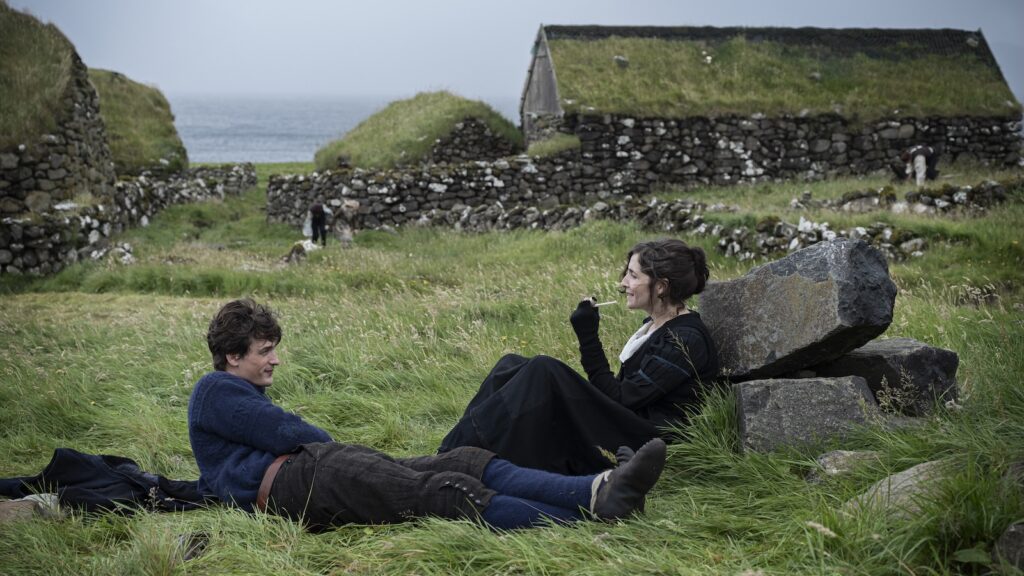
The Fear Review: It walks that line where it’s beautiful scenery, but the way it’s shot gives it a danger and a starkness that’s really compelling.
Kasper Kalle: I talked to a woman called Beinze from the Faroe Islands when we were writing the script. She told me about her father, who was a sailor. Some years ago his boat went down and he drowned, and because the current is so strong around the islands, it carried his body away, so they never found him again.
Her sister started swimming in the ocean every day afterwards because when she was out there in the water, she felt close to her father again. I think that’s so sad, and I was really moved by that story, but it also tells a lot about the relationship between the Faroese people and the sea. Everybody knows someone who has lost a life to the sea. It’s a big thing on the Faroe Islands. When you’re out there, death is really close to you.
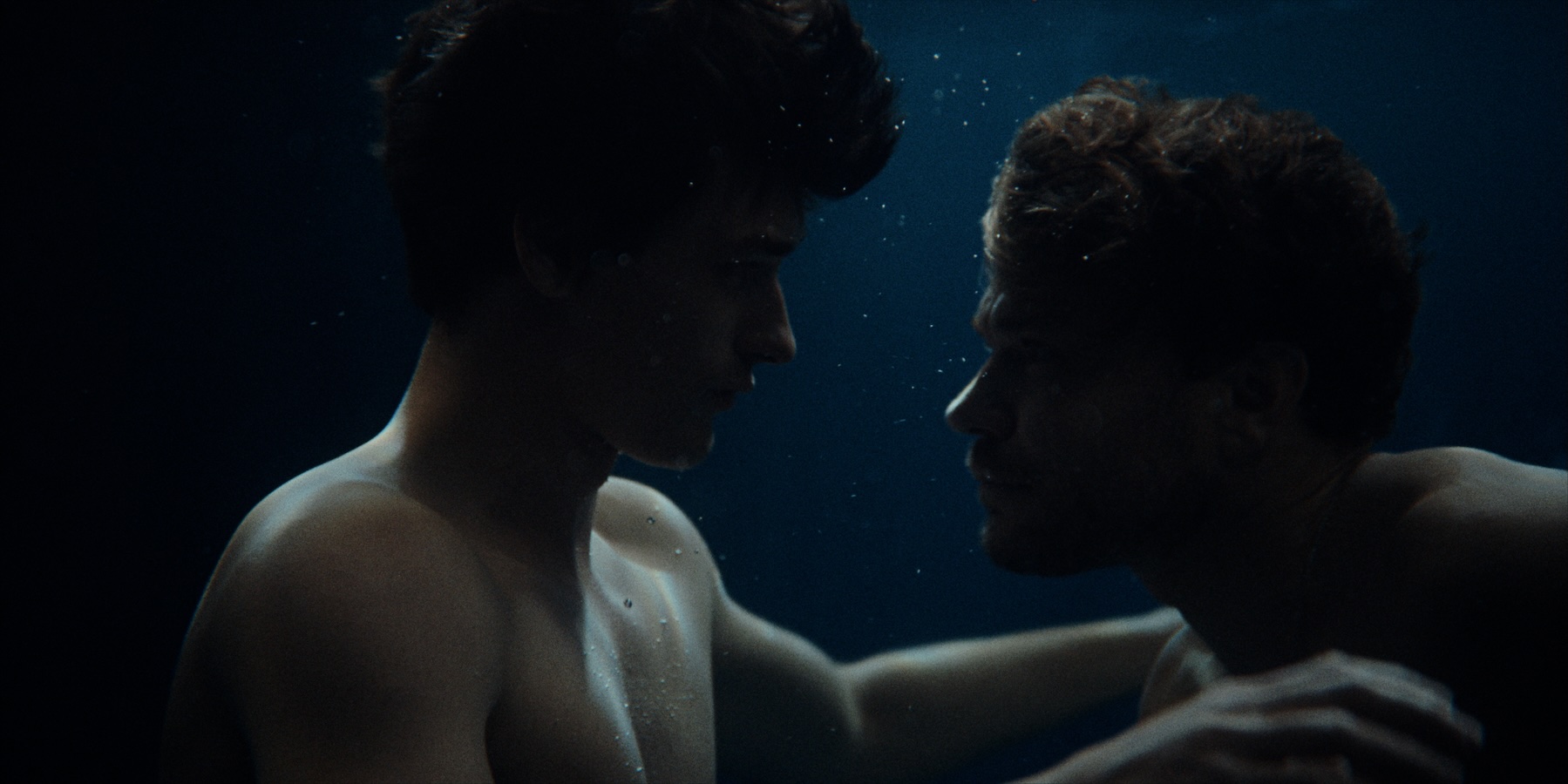
The Fear Review: That’s a tragic but kind of beautiful story too. One of the things that really surprised me was how completely I bought into this being the Faroe Islands in 1862. Obviously, I know absolutely nothing about the islands in 1862, but if somebody told me you got it wrong, I’d probably make them prove it. How much research went into making that world feel authentic?
Kasper Kalle: We did a lot of research. The film was made with a Danish production company, but around 80 percent of the crew was from the Faroe Islands. They know so much about their traditions and their stories, so we were always asking people: Is this true? Is this right? Did it look like this?
We did a lot of research, but of course it is a fairy tale, so it’s also okay sometimes to use your imagination and do whatever you want. But the clothes, the locations, the houses, everything looked like that.
The Fear Review: I think that’s what was so good about it. You built that world so well that you immerse quickly in it, and then you can get into the story of Baldur and Helge. Egor is from the Faroe Islands, but this is also his acting debut, right? What made you look at him and trust him with Baldur, who has to carry so much of the movie without always saying very much?
Kasper Kalle: We spent a lot of time casting him. When you have an actor who has never done movies before and he’s the lead, we really had to do a lot of casting.
It was important for me because he’s a quiet character. Mostly, it was important to feel if he had energy with Helge, the other character, to believe in their love story. When I put them together, I was really convinced this would work because they have such different energies. Helge, played by Pilou Asbæk, has this bubbly, high-level energy, and Baldur, played by Egor Venned, is really grounded and laid back. Their energy fits so well because it’s almost like they need each other to be complete.
When I saw them together, I thought, okay, this will work. But also when I saw Egor together with Sofia Nolsøe, who plays the mother, they looked like each other and were so warm with each other from the beginning. I was really happy to find that. He just fit perfectly into the film.
The Fear Review: They complEment each other really well. I’m used to seeing Pilou Asbæk in things like Game of Thrones, where he has this charisma that’s normally more outward and bigger. It wasn’t like that in this movie, but it was still there, and it complemented Baldur’s quietness. There was strong chemistry there.
Kasper Kalle: I’m happy you’re saying that because that was exactly what I wanted.
The Fear Review: Another thing I really appreciated is that the villagers never became easy villains to me. Even when their faith puts them in direct conflict with Baldur and Helge, I believed these were people who loved each other and genuinely thought they were doing what they were supposed to do. Was it important that we understood them rather than simply hated them? In other movies with faith and religion, they can turn into mustache-twirling villains, and they never felt that way here.
Kasper Kalle: It was important for us, and we talked a lot about it while writing the script. We don’t have a scene at the beginning of the film where people say, “It’s not okay to be gay.” We never actually say that. It’s almost so taboo that nobody talks about it.
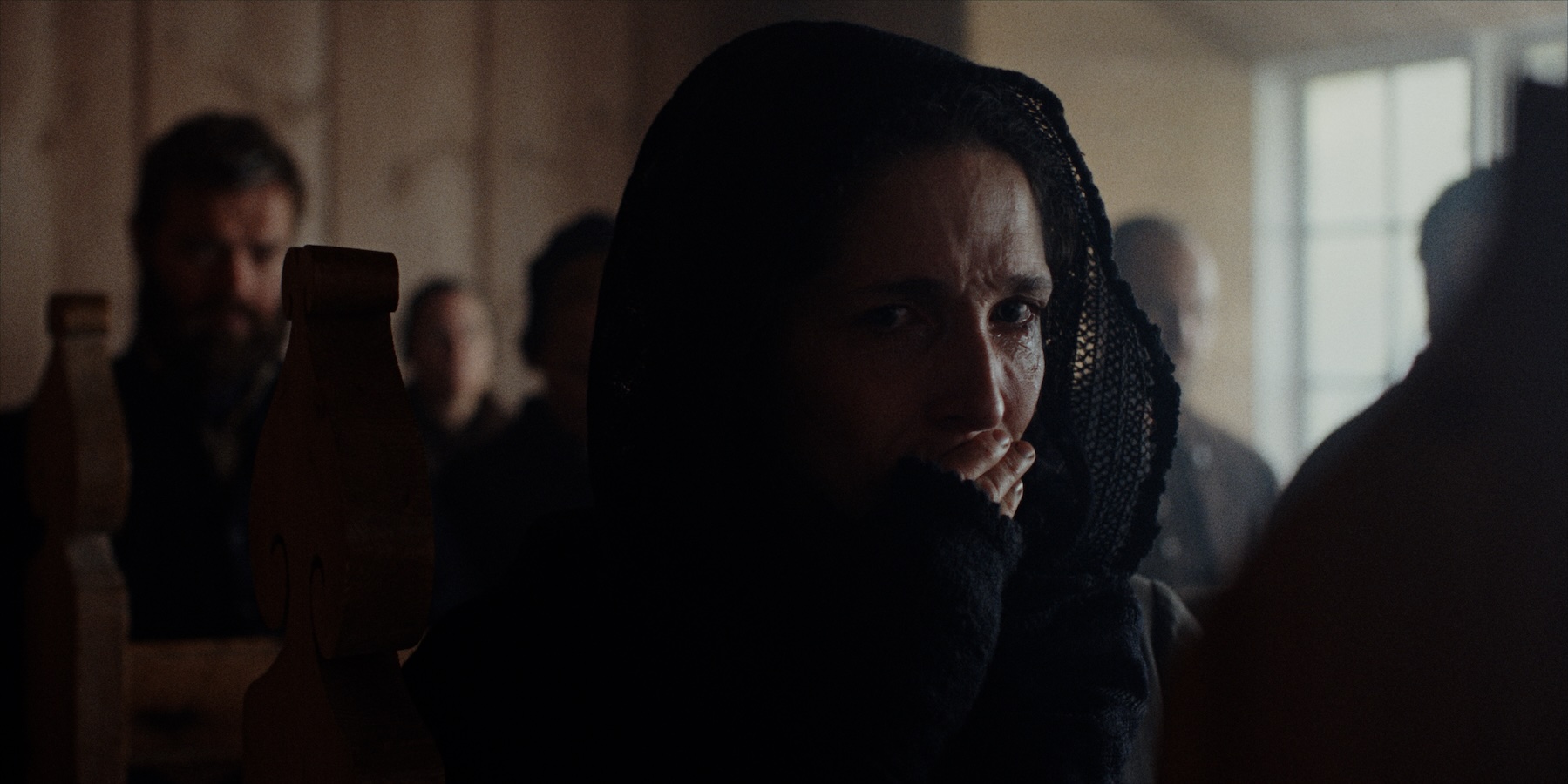
With the mother, it was also really important for me to understand her situation. It’s not only that he’s gay. She also doesn’t want to lose her son, so she’s hanging on to him because she doesn’t want to lose him. Maybe she’s also a bit jealous that her son is in love and she’s not. There are a lot of things. We didn’t want to make it black and white or too simple.
The Fear Review: I’m glad you brought her up because that’s exactly what I thought with her. Obviously, the two main characters are carrying the movie, but I felt like the mother had a more complex character because I kept wondering about her motivations. There are moments where she’s jealous, moments where you wonder if she just doesn’t want to lose her son, and then there’s the religious aspect.
Kasper Kalle: When you look at it, she’s actually technically the most obvious main character of the film because she has the biggest dilemma and she’s going through the biggest development. She has this dilemma: Does she accept her son and accept his love, or does she go against it because of her religion and her culture? They’re big questions. I love the actress playing the mother. She is really, really good.
The Fear Review: You based the movie on Karl Heinrich Ulrichs’ 1884 story Manor, which you describe as an early, unapologetic story about gay love. What was it about this particular story that made you think, I want to turn this into a horror movie?
Kasper Kalle: When I read the story, I was amazed. It’s from 1884. It’s almost 150 years old. It was so beautifully written, and this love story is both really dark and, at the same time, beautiful.
Ulrichs is one of the pioneers in queer history. He was one of the first people really fighting for gay rights, and he was the first to find a word for being homosexual. To write this old story where he so proudly speaks about love between two men was just amazing.
But he’s also combining different genres. I really love that. Even though it’s so old, it felt almost modern because it was a bit strange and has a strange take on the vampire genre as well. I really wanted to do the film. The short story also takes place on the Faroe Islands, and it’s one of the most beautiful places I’ve ever been. Not that many films are from there, so it was also a really good opportunity to be able to shoot there.
The Fear Review: How much of Manor is in the movie versus what you built around it?
Kasper Kalle: I think the core story is in the movie, but it’s a really short story. It’s around 15 pages, so of course we had to develop the characters and their relationships. We had to develop the mother character, and her jealousy is something we found and added to the story. The whole third act is something we wrote and developed.
The core of the story is there, and the love story between Helge and Baldur is there, but we added a lot.
The Fear Review: The vampire part was very interesting to me, and it’s a very different take from what I’m used to. What was that derived from? Was there certain lore you were pulling from?
Kasper Kalle: It was in the short story, and we really wanted to keep that because it was written in 1884. It was written 14 years, I think, before Dracula, so it has this strange take on the vampire genre.
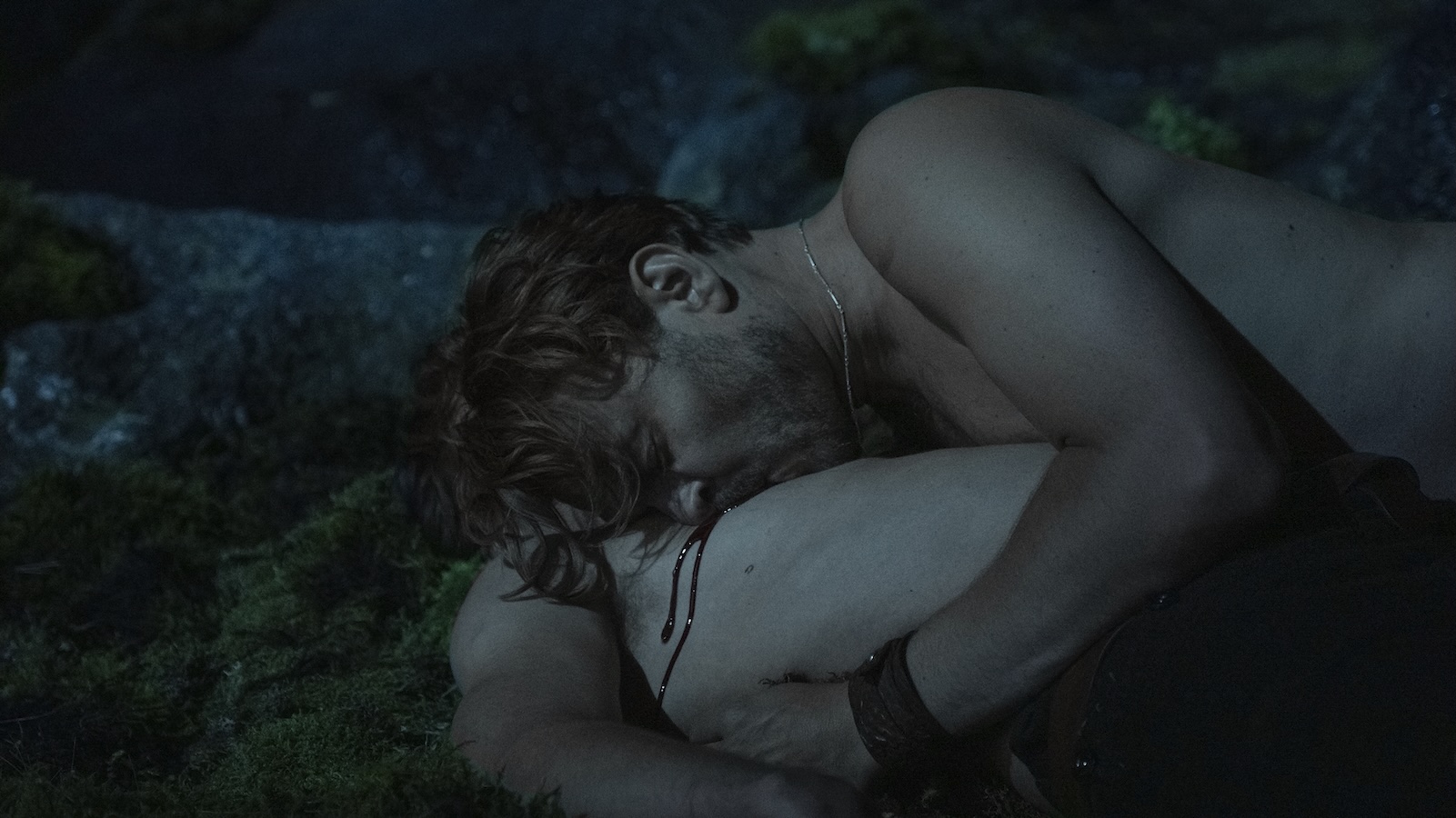
I love that they’re never biting each other, but that he’s getting blood from the nipple, almost like breastfeeding. He’s actually giving him life through his nipples, which is a bit strange, but also a bit sexual and beautiful.
The Fear Review: That’s what I thought was cool about it. It’s familiar, but not. I don’t want to spoil how all of the supernatural elements play out, but I love that the village is essentially confronting Baldur and Helge’s relationship and something genuinely supernatural at the same time. How did you approach making those two things feel connected without making the supernatural element just a one-to-one metaphor?
Kasper Kalle: That’s a good question. When you use body horror and horror effects, it’s always a balance. Is it too much? Is it a cliché? Is it almost a bit funny?
I don’t think there’s one real answer because it’s part of the whole process of making the film. You’re writing it, and then you’re out on location shooting it and thinking, okay, we have to change this because I don’t believe in it, or it’s too much or too little. Then you’re editing the film and it’s still, okay, this doesn’t work. We have to do this. Then there’s the sound.
We actually toned down quite a lot of things in the sound because we thought it would go against the beautiful love story to make the horror parts too big. It needed to be more like symbols and as simple as their love, rather than just traditional horror.
The Fear Review: When somebody finishes No Rest for the Wicked, what’s the conversation you hope they’re having on the way home?
Kasper Kalle: I think it depends on who you are. For me, to make a film about a minority, like gay love, I don’t think it’s only for a queer audience. I think everybody wants to be accepted as who they are, no matter if you’re straight or gay. I think every person wants to be able to express themselves and be who they are.
I think the ending is both beautiful and sad at the same time, and hopefully people will go home with that feeling that we should still fight, but that a lot of people are actually really good-hearted and fighting for gay rights and for everybody. I hope the audience gets a lot of feelings from it.
Read Our No Rest for the Wicked Review
No Rest for the Wicked was one of our biggest surprises at Fantastic Fest. Read our full spoiler-light review for more on the performances, the Faroe Islands setting and why the film’s mix of romance and supernatural horror worked so well for us.
Source: SF Studios